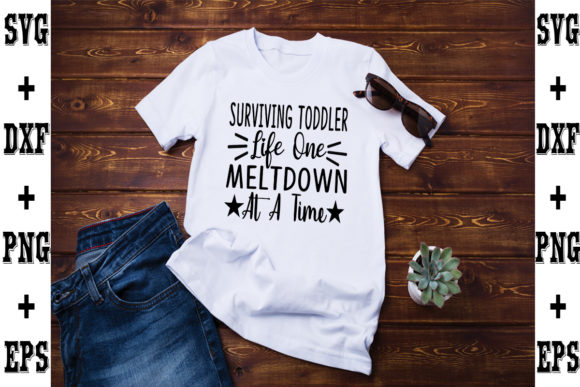
Surviving Toddler Life One Meltdown at a Time
First Impressions: A Humorous, Relatable Embroidery Design for Busy Moms
When I first opened the Surviving Toddler Life One Meltdown at a Time design file, I immediately smiled. The design carries a lighthearted tone that’s perfect for moms who need a daily reminder that they’re not alone in the chaos. The typography is clean, the layout is balanced, and there’s a subtle playfulness in the way the words are arranged. It’s clearly aimed at a mom-focused audience, and that comes through in both the message and the visual presentation.
As a designer who regularly works with embroidery for boutique items and Etsy listings, I appreciate how this design feels both current and timeless. It’s not overly trendy, which means it won’t date quickly, and that’s a big plus when you're creating handmade products meant to sell consistently over time.
Real-Life Use: From Tote Bags to Sweatshirts and Baby Clothes
I recently picked this design to embroider onto a set of custom tote bags for a local mom’s group. I wanted something that would resonate emotionally and also hold up well under regular use. After stitching it out on medium-weight cotton canvas, I was pleased with how the satin and fill stitches performed. The lettering remained crisp, and the overall message stood out clearly without being too overwhelming.
I also tested Surviving Toddler Life One Meltdown at a Time on a baby onesie. It scaled down surprisingly well—though I did make sure to use a smaller hoop and a lightweight stabilizer. The result was a charming, wearable piece that felt personal and meaningful. It’s a great fit for baby embroidery projects, especially as a gift for new moms or baby showers.
When I tried it on a cozy sweatshirt for a custom order, the design held up beautifully. The thread contrast against the heathered fabric was strong, and the text remained legible even after a light wash test. It’s a solid choice for sweatshirt embroidery, especially if you’re targeting a market of busy parents who appreciate humor and authenticity.
Where to Use It Carefully: Fabric, Size, and Stitch Density Considerations
While Surviving Toddler Life One Meltdown at a Time works well on many materials, I noticed that it needs a bit of attention when used on stretchy or textured fabrics. On a ribbed knit cap I tested, the satin stitches pulled slightly, which affected the crispness of the lettering. I recommend using a firm stabilizer and possibly reducing the stitch density slightly for such fabrics.
Dark fabrics also require some thought. I ran a black-on-black version for a minimalist look, but found that the lack of contrast made the message feel lost. For best results, I’d suggest adding a light-colored thread accent or using a light underlay to help the text pop. This is especially important if you're creating personalized gifts or boutique products where presentation matters.
If you're working with small hoop sizes, you may need to simplify or resize the design slightly. The corners of the lettering can get tight, and on a 4x4 hoop, some of the details start to crowd together. Always test on scrap fabric before committing to your final product.
Impact on Visual Appeal and Customer Engagement
One of the biggest strengths of Surviving Toddler Life One Meltdown at a Time is its emotional resonance. It speaks directly to a specific audience—mothers of toddlers—and does so with charm and honesty. That kind of relatability translates well into product value. Whether used on a tote bag, a baby onesie, or a personalized pillow, this design adds a layer of storytelling that customers appreciate.
In my experience, designs with a personal touch like this one tend to sell faster and receive more positive feedback. It’s the kind of embroidered message that sparks conversation and builds a connection between the buyer and the maker. For Etsy sellers and small shop owners, that’s gold.
From a branding perspective, this design could also be part of a larger collection centered around mom-centric themes. It helps establish a consistent voice and visual identity—especially when paired with other designs that share a similar tone and aesthetic.
Designer Notes: Practical Tips for Best Results
Before using Surviving Toddler Life One Meltdown at a Time in your next project, here are a few practical steps I’d recommend:
- Test on scrap fabric first—especially if you’re using a new material or a dark background.
- Check thread color contrast to ensure the message reads clearly after stitching.
- Review stitch density if you're working with stretchy or textured fabrics.
- Confirm hoop size compatibility, especially if you're resizing the design.
- Inspect small details like the corners of letters to avoid distortion.
- Test in black and white mockups to see how the design reads without color.
- Compare light and dark fabric backgrounds before finalizing your product line.
- Use proper stabilizer based on your fabric type to prevent puckering or distortion.
- Check licensing if you're planning to sell finished items or digital embroidery files.
This machine embroidery design is well-suited for both personal and commercial use, provided the licensing terms are respected. As always, I recommend confirming file formats and machine compatibility before stitching—especially if you're using a Cricut or Silhouette cutting machine in your workflow.
Final Thoughts: A Worthy Addition to Your Embroidery Design Library
Surviving Toddler Life One Meltdown at a Time is more than just a cute phrase—it’s a versatile, emotionally engaging embroidery file that works well across a variety of products. Whether you're creating custom apparel, embroidered patches, or personalized gifts, this design adds a touch of personality that customers will appreciate.
For crafters, Etsy sellers, and small shop owners, it’s a valuable addition to your design assets. It brings both visual appeal and marketability, especially in niches focused on motherhood, humor, and lifestyle-themed embroidery. With a bit of planning and attention to detail, this design can become a staple in your handmade product line.