Proud Accountant Mom: A Thoughtful Embroidery Design for Real Projects
First Impressions: Clean, Confident, and Craft-Friendly
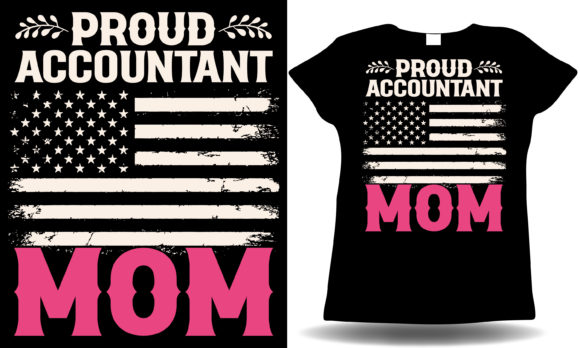
Opening the Proud Accountant Mom design files, I immediately noticed the clean layout and thoughtful balance between text and iconography. The design blends a soft, celebratory tone with a professional edge — perfect for a niche audience that appreciates both motherhood and a career in numbers. The vector-based layout feels intentional, with no unnecessary details, which makes it a solid candidate for embroidery without the risk of overcomplication.
Visually, it leans toward a minimalist aesthetic, which is great for embroidery since fewer intricate elements mean less chance of thread distortion or stitching errors. The font choice is bold yet legible, and the accountant-themed graphic (likely a calculator or ledger) is stylized without being too literal, which helps maintain a modern, wearable appeal.
Real-World Use: From Tote Bags to Baby Onesies
I recently worked on a custom tote bag order for a client who wanted to celebrate her dual role as an accountant and new mom. I tested Proud Accountant Mom on a natural canvas tote, and the result was surprisingly charming. The design scaled well without losing clarity, and the SVG file made resizing straightforward in my embroidery software.
- On t-shirts and sweatshirts: It stitched cleanly on medium-weight cotton and fleece, especially when I used a medium-density fill stitch and a satin border for definition.
- For baby items: When scaled down slightly for a onesie, the design held up well, though I recommend avoiding very small hoop sizes to maintain legibility.
- As a patch or apron accent: The clean lines and minimal shading made it a strong contender for embroidered patches and kitchen aprons — both popular among Etsy sellers and boutique brands.
It also worked well as a holiday gift idea — embroidered on a pillow cover for a personalized, professional-themed Christmas present. The PNG preview file helped me visualize placement and proportion before stitching, which is a big plus for digital product buyers.
Where to Use It Carefully
While Proud Accountant Mom is versatile, it’s not a one-size-fits-all solution. Here are a few scenarios where extra attention is needed:
- Small hoop sizes: Text can get lost if resized too aggressively, especially the smaller details in the icon.
- Stretchy or thin fabrics: The satin-stitch elements may pucker on unstable materials. A quality stabilizer is a must.
- Dark fabric backgrounds: Thread color contrast becomes critical. I tested it in both light and dark thread palettes and found that a white or cream outline helped maintain visibility on black or navy garments.
- Caps or curved surfaces: The design is more layout-dependent than wrap-around-friendly, so placement on curved items like baseball caps needs careful planning.
Also, if you're planning to use this in a layered garment like a hoodie, test the design on a mock layer setup first to ensure the design doesn’t get distorted by seams or folds.
Visual and Business Impact
From a design standpoint, Proud Accountant Mom brings a unique personality to any product. It’s not just a generic “mom” graphic — it speaks directly to a specific audience, which is a huge advantage for sellers looking to stand out in a crowded market like Etsy or craft fairs.
In terms of stitching clarity, the design performed admirably. The vector format translated well into embroidery software, and there were no jagged edges or pixelation issues when resizing. The final stitched product looked polished and professional — a key factor in maintaining customer trust and perceived value.
For brand consistency, especially among small shops or digital product sellers, having a design that’s usable across multiple formats (SVG, EPS, PNG) is a real asset. I was able to create printable mockups, digital previews, and even applique variations without much extra work.
Designer Notes for Best Results
If you're planning to use Proud Accountant Mom in your next embroidery project or product listing, here are a few practical tips based on my testing:
- Test on scrap fabric first to see how the stitch density and thread colors interact with the material.
- Review thread color contrast carefully, especially for dark fabric applications.
- Check hoop size compatibility before stitching — especially if you’re resizing the design for different products.
- Inspect small details like the calculator or ledger icon to ensure they stitch cleanly and don’t get lost in the fabric texture.
- Use proper stabilizer for stretchy or thin materials to prevent distortion.
- Confirm licensing before selling finished items or digital products — especially if you plan to use this in a commercial embroidery setting.
Overall, I found the design to be a solid, usable asset that fits well into both personal and small business embroidery projects. The vector files make it adaptable, and the clean layout ensures it can be used across a wide range of products — from custom apparel to holiday gifts and small shop merchandise.