Mother Day Me and Mom Illustrations: A Designer’s Real-World Review
As an embroidery designer who regularly works with digital graphics for client projects and handmade shop listings, I recently took a close look at the Mother Day Me and Mom Illustrations. At first glance, it’s a sweet, vector-based design that’s clearly aimed at celebrating the bond between mother and child. But what really matters is how it holds up when translated into actual embroidery work. Here’s my take after testing it across a few different project types.
First Impressions: Cute, But Thoughtful
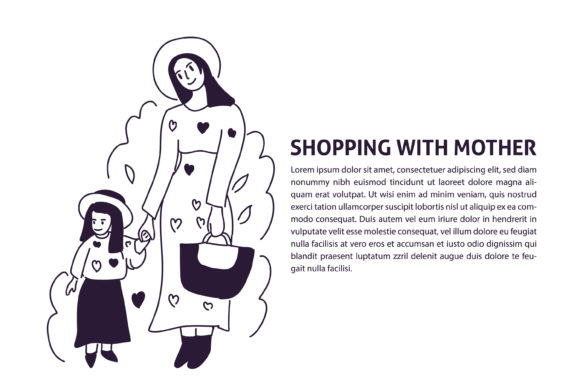
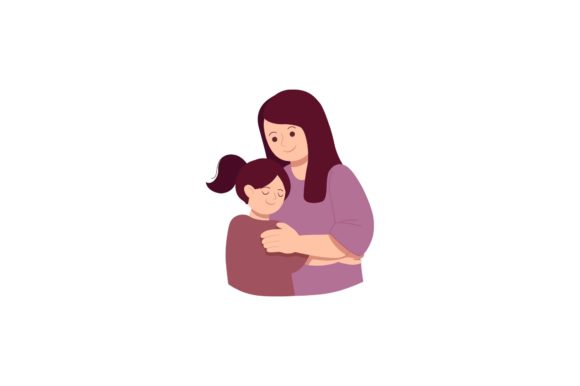
The Mother Day Me and Mom Illustrations design has a soft, whimsical charm that immediately makes it feel personal and heartfelt. The layout features two figures—presumably mother and child—rendered in a clean, vector style that leaves room for customization. The shapes are simple but expressive, and the overall mood is warm and nostalgic. It’s the kind of illustration that could easily work on baby clothes, tote bags, or embroidered patches without feeling too busy.
From a design standpoint, the level of detail is just right—there’s enough character to make the design engaging, but not so much that it becomes difficult to stitch cleanly. The lines are smooth, and there’s a nice balance between negative space and filled areas, which is always a plus when considering stitch density and thread coverage.
Real-World Embroidery Use: Versatile and Adaptable
I tested the Mother Day Me and Mom Illustrations on a few different fabric types and product formats to get a sense of how it would perform in real-life applications. Here’s what I found:
- On a cotton tote bag – The design stitched out cleanly with minimal thread pull, and the overall look was soft and inviting. The size scaled well, and I didn’t have any issues with distortion or puckering when using the proper stabilizer.
- On a baby onesie – The illustration held up beautifully. I used a lightweight stabilizer to keep the fabric soft and breathable, and the result was a sweet, personalized gift that felt handmade with care.
- As an embroidered patch – The clean lines and defined shapes made it a good candidate for a patch. When stitched on felt-backed twill and trimmed neatly, it looked professional and ready for resale.
- On a dark-colored sweatshirt – Here, I had to be more mindful of thread color contrast. I opted for a bright pink outline to make the design pop against the navy background, and it worked surprisingly well.
Overall, the design adapts well to a variety of surfaces and fabric types, making it a solid choice for small shop owners and Etsy sellers looking to add a heartfelt touch to their Mother’s Day collection.
Where to Be Careful: Fabric and Fit Matter
Like any embroidery design, Mother Day Me and Mom Illustrations isn’t a one-size-fits-all solution. There are a few situations where extra attention is needed:
- Small hoop sizes – The illustration has enough detail that it may not translate well to very small hoops. If you’re working with a limited embroidery field, consider simplifying the design or opting for a smaller version if available.
- Stretchy or thin fabrics – I noticed some minor distortion when stitching on a lightweight knit. Using a cutaway stabilizer helped, but it’s worth testing on scrap fabric first.
- Curved surfaces (like caps) – The design is more linear and may not drape well on curved areas without some adjustments. You may need to reposition or scale the design differently for caps or curved pillow covers.
- Detailed corners – The illustration has a few tight corners and small curves that could get lost in stitching if not properly adjusted for satin or fill stitch density.
If you’re using this design for commercial embroidery or digital product resale, be sure to test it thoroughly before offering it to clients or customers.
Design Impact: Emotional and Marketable
One of the biggest strengths of Mother Day Me and Mom Illustrations is its emotional appeal. The design feels personal, making it ideal for gift items, boutique products, and personalized embroidery projects. It also lends itself well to branding—especially for shops that focus on sentimental or family-oriented themes.
From a visual standpoint, the design enhances the perceived value of the finished product. Whether it’s stitched onto a kitchen towel or printed as a mockup for a digital listing, it adds a professional, handmade touch that customers respond to. It’s also versatile enough to be used across multiple product lines—from baby items to holiday gifts—without feeling repetitive.
That said, the design’s simplicity means it can benefit from thoughtful customization. I found that adding a name or date in a small font near the bottom elevated the giftability and made each item feel more special.
Designer Notes: Test, Adjust, and Confirm
Before diving into a full production run or listing this design for sale, here are a few practical steps I recommend:
- Test on scrap fabric – Always run a test stitch on the actual fabric you plan to use. This helps catch any density or distortion issues early.
- Check thread color contrast – The design’s effectiveness depends heavily on color choice, especially on dark or textured fabrics.
- Confirm hoop size compatibility – If you’re working with a limited hoop size, make sure the design fits without crowding the edges.
- Review stitch density and underlay – Adjust as needed to prevent puckering or thread breakage.
- Inspect small details – Zoom in on tight corners and fine lines to ensure they stitch cleanly.
- Test in black and white mockups – This helps visualize how the design will look on different fabric colors.
- Confirm licensing – If you’re selling finished items or digital embroidery files, make sure you have the proper rights to do so.
Taking these steps will help ensure that your final product looks polished and professional—whether you’re creating a one-of-a-kind gift or building a line of custom apparel for your small shop.