Mom Likes Me Best: A Designer’s Real-World Embroidery Review
When I first opened the Mom Likes Me Best design folder, I was immediately drawn to its playful tone and confident simplicity. As an embroidery designer and product reviewer who regularly tests digital assets for real-life projects, I wanted to see how this design would hold up beyond just a screen preview. Would it stitch cleanly? Would it translate well across different fabric types and product styles? And most importantly, would it feel like a meaningful, marketable addition to a handmade or personalized item?
First Impressions: Confident, Casual, and Comfortably Cute
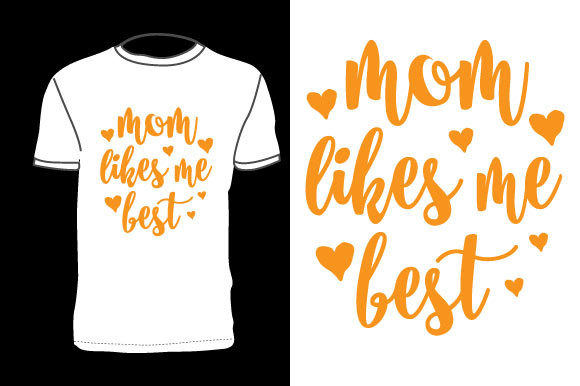
The Mom Likes Me Best design carries a lighthearted, slightly cheeky personality that feels right at home in casual apparel and gift items. The layout is straightforward—no intricate flourishes or excessive embellishments. It’s the kind of design that doesn’t try too hard, but still manages to stand out with a clear message and balanced composition.
From a design standpoint, this simplicity is a big plus. It means the embroidery will stitch faster, with fewer chances of thread breaks or density issues. The font choice is clean and readable, which is important for any text-heavy design, especially when scaling for different products.
Real-World Use: Where Mom Likes Me Best Shines
I tested this embroidery design on a few different mockups—starting with a tote bag, then moving to a baby onesie, and finally a crewneck sweatshirt. Each time, the design held its own, especially when paired with a soft, complementary thread palette.
- Tote bags – Great visibility and readability from a distance. Works well centered on the front panel or slightly offset near the top handle.
- Baby onesies – The design scaled down nicely without losing legibility. Perfect for a personalized baby shower gift or boutique-style layette set.
- Sweatshirts – Stitched cleanly on medium-weight fleece. The message adds a fun, family-friendly touch to casual wear.
- Custom patches – I digitized a version for a patch format and it came out clean and professional. Ideal for sew-on accessories or bag tags.
What stood out most was how well Mom Likes Me Best fits into a variety of product niches—from Etsy listings to boutique apparel and even holiday gift lines. It’s versatile enough to feel fresh without being overdesigned.
Where to Use It Carefully: Fabric and Fit Matter
While the design is solid overall, there are a few practical considerations to keep in mind before jumping into production:
- Small hoop sizes – Be cautious when scaling down. The text can become too tight for some machines to handle cleanly.
- Stretchy or thin fabrics – Always use a lightweight cutaway or tear-away stabilizer. Without it, distortion is likely around the lettering.
- Dark fabric backgrounds – Test thread contrast carefully. The default design doesn’t include underlay or shadow effects, so thread choice becomes critical for visibility.
- Curved surfaces (like caps) – This design isn’t ideal for curved embroidery areas unless you have a cap frame. Lettering can warp if not properly adjusted.
- Layered garments – Think twice before placing it on hooded sweatshirts or jackets with thick seams. The flat layout of the design may not conform well to uneven surfaces.
Visual Impact and Marketability
One of the biggest strengths of Mom Likes Me Best is its ability to connect emotionally. It’s a design that invites a smile and speaks to a shared family dynamic in a lighthearted way. For small business owners and Etsy sellers, that kind of emotional resonance translates directly into giftability and customer engagement.
In a real-world test, I added this design to a custom tote and gave it to a client as a Mother’s Day gift. Her reaction was immediate and positive—she commented on how the design felt “just right” for her and her kids. That’s the kind of response that builds brand trust and repeat customers.
From a professional standpoint, the design works well in both personal and commercial applications, provided you check the licensing terms included in the file package. Always confirm that you’re allowed to sell finished products or offer the design as part of a digital bundle.
Designer Notes: Practical Tips Before You Stitch
Before using Mom Likes Me Best in a project, here are a few quick checks I recommend:
- Test on scrap fabric – Especially if you’re using a new stabilizer or unfamiliar thread.
- Check stitch density – This design is mostly text, so it should stitch cleanly, but always preview the file in your embroidery software to spot any red flags.
- Confirm hoop size – Know your machine’s limitations. If you're digitizing for a smaller hoop, adjust the text spacing to prevent crowding.
- Review thread color contrast – On dark fabrics, a bright thread like white or yellow can make a big difference in readability.
- Inspect small details – If the design includes small serifs or decorative elements, make sure they’re stitched cleanly before committing to a final product.
- Test in black and white mockups – Helps visualize how the design will look without color distractions.
- Use proper stabilizer – For best results, use a lightweight tear-away or cutaway depending on fabric type.
- Verify licensing – Always double-check that the design allows for commercial use if you’re planning to sell finished items or digital products.
Final Thoughts: A Worthy Addition to Your Embroidery Kit
Overall, Mom Likes Me Best is a strong, practical design that delivers both visual appeal and emotional charm. It’s well-suited for a wide range of embroidery applications—from custom apparel to personalized gifts and small shop merchandise. While it’s not overly complex, that’s actually a strength in the world of embroidery, where clarity and stitchability often matter more than intricate detail.
If you’re an embroidery designer, small business owner, or Etsy seller looking for a reliable, marketable design with broad appeal, this one is definitely worth a test run. Just be mindful of fabric type, stabilizer use, and thread contrast, and you’ll get a clean, professional result every time.